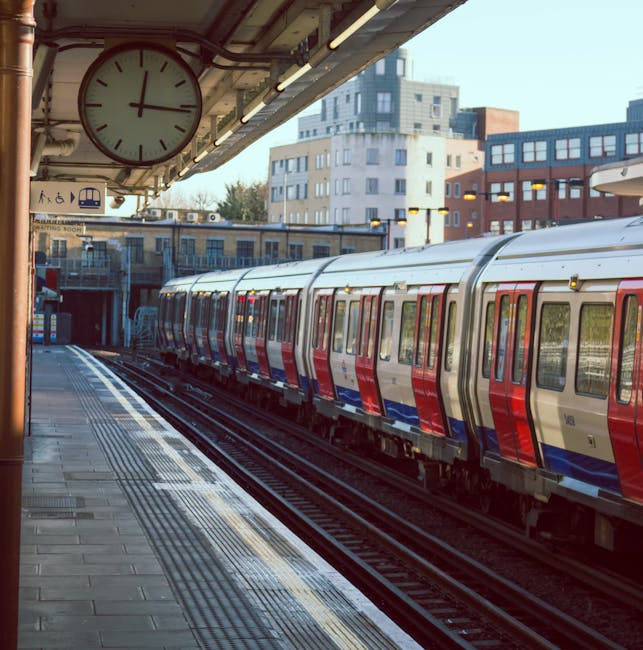
Balham Station furniture removals best routes and timing
If you are planning a furniture move near Balham Station, timing and route choice matter more than most people expect. One badly chosen arrival slot can mean sitting in traffic, struggling with awkward parking, or spending half the morning waiting for a loading space to clear. The good news? With a bit of local know-how, Balham Station furniture removals can be smooth, efficient, and far less stressful than a typical London move.
This guide breaks down the best routes and timing strategies for furniture removals around Balham Station, with practical advice for homes, flats, offices, and single-item pick-ups. You will find route suggestions, timing windows, common mistakes, a useful checklist, and a realistic example of how a local furniture move can be planned without the usual drama.
For readers comparing services as well as planning the move itself, you may also find it helpful to look at man with van support, furniture pick-up, and home moves options as part of the decision-making process.
Table of Contents
- Why Balham Station furniture removals best routes and timing Matters
- How Balham Station furniture removals best routes and timing Works
- Key Benefits and Practical Advantages
- Who This Is For and When It Makes Sense
- Step-by-Step Guidance
- Expert Tips for Better Results
- Common Mistakes to Avoid
- Tools, Resources and Recommendations
- Law, Compliance, Standards, or Best Practice
- Options, Methods, or Comparison Table
- Case Study or Real-World Example
- Practical Checklist
- Conclusion
- Frequently Asked Questions
Why Balham Station furniture removals best routes and timing Matters
Balham Station sits in a part of south London where road space is precious, and that changes everything about a furniture move. A route that looks fine on a map can become frustrating in real life once you add buses, school traffic, delivery vans, cyclists, people crossing near the station, and the general squeeze of urban parking. That is why Balham Station furniture removals best routes and timing is not just a phrase; it is the difference between an organised job and a stressful one.
Furniture removals are especially sensitive to timing because large items need room. A sofa, wardrobe, bed frame, or dining table cannot simply be whisked through a tight doorway in a hurry while traffic piles up outside. If the vehicle is blocked in, or if the load-in point is too far from the front door, the job takes longer and gets harder. And yes, that extra ten minutes often feels like half an hour when you are carrying something bulky up or down steps. Slightly dramatic maybe, but true.
Near Balham Station, timing also helps you avoid the worst of commuter movement. Early morning and late afternoon can be awkward if your van is trying to access a busy street close to the station. Mid-morning often works better for local access, while early afternoon can be calmer on some residential roads. That said, every street is different, so a good plan always beats a generic rule.
Expert summary: The smartest furniture removals near Balham Station usually combine a quiet arrival window, a route that avoids peak pressure points, and a loading plan that reduces double-handling. In other words: make the move easy before the first box is lifted.
How Balham Station furniture removals best routes and timing Works
At a practical level, planning a furniture removal near Balham Station means working backwards from three things: access, loading time, and road conditions. The route matters because it decides how easily a van can reach the property. The timing matters because it decides how much breathing room you get once you arrive. And the furniture itself matters because the size, weight, and fragility of each item determine how much handling is involved.
Most local removals follow a simple pattern. First, the collection point is checked for access: is it on a narrow street, a one-way road, a hill, a cul-de-sac, or a location with limited stopping space? Then the best approach is chosen, ideally one that avoids unnecessary turns or stop-start traffic near the station. Finally, the loading sequence is planned so the heaviest pieces go in first and the most delicate items are protected properly.
If you are using a service like man and van or arranging a bigger move with removal truck hire, the vehicle size needs to match the street reality as much as the furniture volume. A larger truck is not always better if the road access is awkward. Sometimes a smaller, more nimble vehicle is simply the calmer choice. Truth be told, the best vehicle is the one that can actually park without causing a scene.
Timing works in layers:
- Day of week: weekdays can be busier for local traffic, but weekends may be slower on site if you need help from neighbours or building managers.
- Time of day: early morning can be useful for moving out before the day builds up, while late morning often gives a more relaxed loading window.
- Property type: flat moves near the station often need tighter timing than houses on quieter side roads.
- Item type: heavy or awkward items benefit from a calmer road environment and less rushing.
In practice, that means there is no single perfect time for every job. There is only the best time for your job. A lot of people miss that distinction, and it costs them time.
Key Benefits and Practical Advantages
Getting the route and timing right brings benefits that go well beyond convenience. The biggest one is simple: less stress. When a van arrives at the right moment and from the right direction, the move feels controlled. People can focus on the furniture instead of worrying about whether the driver will be stuck outside the station or circling for parking.
There is also a real safety gain. Furniture removals become riskier when people hurry. Tight timing often leads to rushed lifting, poor communication, and avoidable scrapes against walls or banisters. Good timing slows the whole thing down in the right way. Not slow-slow. Just calm enough to do the job properly.
Other practical advantages include:
- Shorter loading times: a better parking position means less carrying distance.
- Lower chance of disruption: avoiding station-heavy traffic periods reduces delays.
- Better protection for furniture: less rushing means more careful wrapping and handling.
- Cleaner coordination: if building access windows matter, timing keeps everyone aligned.
- More predictable pricing: time saved on site usually means fewer complications and fewer surprise delays.
If you are moving a full home, combining local route planning with packing and unpacking services can make the whole day feel far more manageable. For a business move, commercial moves planning often benefits even more from tight timing because staff schedules and building access can be unforgiving.
Who This Is For and When It Makes Sense
This approach is useful for a wide mix of people. Some are shifting one bulky sofa. Others are moving a whole flat, or transporting office furniture, or clearing out items before a refurbishment. Near Balham Station, the route-and-timing question is most relevant when access is not effortless, which is to say: quite often.
You are likely to benefit most if you are:
- moving furniture to or from a flat near the station
- collecting second-hand furniture from a local seller
- relocating an office or studio with desks, chairs, and storage
- moving into a property with limited parking
- working around lift times, concierge rules, or building access slots
- trying to avoid peak travel congestion near station roads
It also makes sense if you are dealing with mixed items. For example, a move might include a wardrobe, a fridge, a mattress, and a few boxes. That combination changes the plan, especially where safety and weight are involved. In those cases, a service such as fridge and appliance removal or mattress and sofa disposal may be more appropriate than trying to do everything in one generic trip.
Let's face it, furniture moves are never just about furniture. They are about stairs, parking, timing, and one missing screwdriver at exactly the wrong moment.
Step-by-Step Guidance
If you want the move to run well, use a structured approach. It does not need to be complicated, just thoughtful.
- List every item. Write down what is being moved, including dimensions if you know them. Large items need special handling and sometimes special vehicle planning.
- Check access at both ends. Note stairs, narrow hallways, lift access, and any parking restrictions. Around Balham Station, this can make or break the route choice.
- Choose the best time window. Aim for a slot that avoids commuter pressure, school-run congestion, and any building access limits. Mid-morning is often a sensible starting point, but always match it to the property.
- Plan the route in practical terms. You are not trying to find the cleverest route on paper. You are trying to find the least annoying one in real life. That usually means avoiding unnecessary turns, awkward approaches, and streets that are likely to be blocked.
- Prepare the furniture. Remove loose shelves, secure doors, and wrap corners. If you are moving fragile or high-value items, packing them properly matters more than saving a few minutes.
- Load in the right order. Heavier, sturdier pieces usually go in first. Sofas, tables, and wardrobes should be secured before lighter items are added.
- Keep a buffer. Build in extra time for parking, lift delays, and a slower-than-expected carry route. A small buffer saves a lot of stress.
A simple practical example: if you are moving a sofa from a second-floor flat near Balham Station on a weekday morning, the best plan is often to arrive after the first commuter rush, secure the closest reasonable stopping point, and keep the carry path clear before the van doors even open. That small bit of discipline can save the whole job from becoming messy.
Expert Tips for Better Results
The best local moves are usually won before moving day begins. A few smart decisions make a noticeable difference.
1. Use the quietest sensible arrival time. In many cases, the sweet spot is not the earliest possible slot. It is the slot where the road is calm enough to stop safely and load without pressure. That might be late morning for one street and early afternoon for another. A local expert will often judge this by experience, not guesswork.
2. Match vehicle size to access, not just volume. A big van can be useful, but if access near the station is tight, a slightly smaller vehicle may save time overall. That is a boring truth, but a useful one.
3. Protect the route inside the property too. Rugs, walls, corners, and stair rails matter as much as the street outside. If you are carrying bulky furniture through a narrow hall, even a good road route will not rescue poor indoor planning.
4. Break down what can be broken down. A dismantled bed frame is easier, safer, and usually quicker to move than a complete one. The same goes for some wardrobes and tables.
5. Ask about disposal options for unwanted pieces. If you are clearing old items rather than relocating them, having a plan for responsible disposal avoids last-minute chaos. Relevant pages like recycling and sustainability and what can go in a skip can help you think through the next step.
One more thing. People often forget that the fastest-looking route is not always the fastest-moving route. Around a busy station, a calmer approach can beat a supposedly direct one by a mile. Odd, but there it is.
Common Mistakes to Avoid
Most furniture removal problems near Balham Station are surprisingly ordinary. No catastrophe, just a series of small planning slips that add up.
- Assuming parking will be easy. It rarely is. Always think about the loading point before the van arrives.
- Choosing peak traffic by habit. A time that works for shopping may be terrible for loading furniture.
- Not measuring large items. This leads to awkward surprises at the doorway, the staircase, or the van ramp.
- Leaving assembly tools behind. A missing Allen key can turn a neat move into a slow one.
- Ignoring building rules. Some flats and managed properties need notice, lift booking, or protected floor access. Worth checking.
- Underestimating fragile items. Glass, mirrors, and polished surfaces need more care than they seem to at first glance.
There is also a small but common mistake of leaving waste and unwanted items until the end. Then the main move is done, everyone is tired, and the room still looks unfinished. If that sounds familiar, you are not alone.
Tools, Resources and Recommendations
You do not need fancy equipment to plan a better move. A few simple tools and resources go a long way.
- Tape measure: measure furniture, lifts, doors, and stair widths.
- Furniture blankets or padding: protect corners and finishes during loading.
- Straps and ties: secure items in transit so they do not slide around.
- Marker pen and labels: useful for boxes and removable parts.
- Basic toolkit: screwdrivers, Allen keys, and a small adjustable spanner can save the day.
- Clear route notes: jot down where the van should stop, where the entrance is, and any obstacles.
If you are still choosing the right help for the job, it can be useful to compare a simple man with van approach with larger options such as moving truck or house removalists. The best choice is the one that fits the property, the furniture, and the deadline, not the one that sounds most impressive on paper.
For people wanting to understand the process a little more deeply, the pages on insurance and safety and health and safety policy are useful background reading. They help set expectations about careful handling, responsible work practices, and what a professional service should be thinking about behind the scenes.
Law, Compliance, Standards, or Best Practice
Furniture removals in London are not just about speed and convenience. They should also be carried out responsibly, with care for safety, property, and any disposal requirements that come with the job. While exact legal duties depend on the situation, there are some sensible UK best practices worth keeping in mind.
For example, if furniture is being disposed of rather than moved, it should be handled in a way that avoids fly-tipping or unsafe dumping. If appliances are involved, they need to be managed appropriately. If waste is mixed with moveable goods, separation matters. And if the move involves commercial premises, there may be building access rules or business continuity issues that need to be respected.
Good providers will usually think about:
- safe lifting and carrying methods
- protecting floors, walls, and shared areas
- responsible disposal of unwanted items
- clear pricing and sensible communication
- appropriate vehicle choice for the access situation
If the move involves sensitive paperwork or business material, something like confidential shredding may be relevant too. That is not always part of a furniture move, of course, but offices near Balham Station often bundle related tasks together. Makes sense, really.
It is also worth checking payment clarity and booking conditions before the move. Pages such as payment and security and terms and conditions can help set expectations in a straightforward way.
Options, Methods, or Comparison Table
Different types of moves call for different approaches. If you are deciding how to organise a furniture removal near Balham Station, this comparison may help.
| Method | Best for | Strengths | Limitations |
|---|---|---|---|
| Man and van | Single items, small flats, flexible local jobs | Agile, usually easier on narrow streets, good for short notice | Not ideal for very large loads or complex multi-room moves |
| Removal truck hire | Larger furniture loads or fuller home moves | More capacity, better for bigger clear-outs | Can be harder to position near tight station-side streets |
| House removalists | Whole-home relocations | More structured support, helpful for complex properties | May be more than you need for a small furniture-only move |
| Furniture pick-up | Buying or collecting furniture locally | Simple, efficient, often cost-conscious | Still needs good timing if access is awkward |
In real life, the best option is often a hybrid. You might use a smaller vehicle for a tricky collection, then arrange a larger service later for a full move. Or you may decide that one careful trip with a well-timed van is better than trying to squeeze too much into a single hectic run.
Case Study or Real-World Example
Here is a typical local scenario, the kind that comes up all the time.
A couple moving out of a top-floor flat near Balham Station need to shift a sofa, a bed, a dining table, and four boxes of household items. At first, they think an early morning slot will be best because it sounds efficient. But after checking access, they realise the road closest to the building tends to be busier during the commuter rush, and the building lift is only available from a later time.
So they adjust the plan. The collection is booked for a calmer late-morning window. The sofa is wrapped, the bed is partly dismantled, and the table legs are removed in advance. The van stops as close as it reasonably can, and the carry route is cleared before arrival. No one is sprinting. No one is negotiating with a delivery driver while holding a mattress. The whole move finishes quicker than expected, mostly because the timing was sensible.
That is the part people often miss: the move itself is usually not the problem. The setup is. If the setup is right, the rest feels almost boring. And boring is excellent in removals.
Practical Checklist
Use this checklist before a furniture removal near Balham Station.
- Confirm the exact collection and delivery addresses
- Measure the largest furniture items
- Check stairs, lifts, and doorway widths
- Decide the best arrival window for road access
- Plan where the van will stop
- Tell the building manager or landlord if needed
- Wrap fragile corners and surfaces
- Remove drawers, loose shelves, and detachable parts
- Keep tools, tape, and labels easy to reach
- Prepare a fallback plan if parking is temporarily blocked
- Separate items for disposal from items being kept
- Have payment details and booking confirmation ready
Quick takeaway: if you only do three things, measure the furniture, time the arrival sensibly, and make the parking plan before the van sets off. That trio solves a lot.
Conclusion
Balham Station furniture removals best routes and timing is really about control. The right route reduces friction. The right timing reduces pressure. Together, they turn a potentially awkward London move into something much easier to live with. Whether you are moving one item or several rooms of furniture, a local, practical plan will nearly always outperform a rushed one.
Start with access, think about road conditions, and choose a service that suits the size and shape of the job. If you need extra support around packing, disposal, or heavier items, it is better to plan that early than to improvise on the day. Small decisions matter here. Quite a lot, actually.
If you are ready to move forward, explore the relevant service pages, compare the options calmly, and choose the approach that gives you the least stress and the most certainty. That is usually the right answer.
Get a free quote today and see how much you can save.
Frequently Asked Questions
What is the best time for furniture removals near Balham Station?
In many cases, late morning or early afternoon works well because it can avoid the busiest commuter pressure. That said, the best time depends on your exact street, the property access, and whether you need lift or building permission. A quiet slot with easier parking is usually better than the earliest slot on the day.
Which route is best for a van near Balham Station?
The best route is usually the one that keeps the approach simple and avoids unnecessary congestion near the station. A slightly longer route with easier stopping access may be better than a shorter one that leaves the driver circling for parking. It sounds obvious, but people forget it.
Do I need a large removal truck for one or two furniture items?
Usually not. For one or two items, a smaller vehicle or a man-and-van arrangement is often more practical, especially if access is tight. A larger truck can be overkill near a station if parking is limited.
How do I know if my furniture will fit through the hallway or stairwell?
Measure the item, then measure the narrowest access points, including door frames, stair turns, and landings. If the furniture is bulky, consider whether it can be dismantled. A few minutes with a tape measure can save a lot of trouble later.
Is it better to move furniture before or after commuter hours?
Usually after the peak commuter rush is calmer, but it depends on the building and road conditions. Sometimes an early start still works if the street is quiet enough and parking is easier. The key is to avoid the most congested access window for your specific route.
What if parking is restricted near my flat?
Then timing becomes even more important. You may need a wider loading window, a smaller vehicle, or a plan for a short carry distance from a legal stopping point. Always check the access situation before the van is booked, not after.
Can I combine furniture pick-up with disposal of old items?
Yes, many people do. Just separate the items being moved from the items being thrown away, and make sure the disposal side is handled properly. If you are dealing with mattresses, sofas, or appliances, those may need different handling from standard furniture.
How far in advance should I book a furniture removal near Balham Station?
If the move is simple, a short lead time may be enough. For larger or more awkward jobs, booking earlier gives you more control over timing and route planning. It also helps if you need packing support or special handling.
What should I do on the day to make the move faster?
Clear the path, label items, dismantle what you can, and have keys, payment details, and access instructions ready. The little things matter more than people think. A tidy start usually leads to a tidy finish.
Are there special safety considerations for furniture removals near a station?
Yes. Busy pavements, passing traffic, tight loading areas, and shared access spaces all raise the need for careful handling. Furniture should be moved with proper lifting technique and secure loading. Safety is not a bonus here; it is part of the job.
What service is best for a full home move from Balham Station?
For a full home move, a structured service such as house removalists or a larger vehicle-based option is often more suitable than a single-item collection service. The right choice depends on the number of items, access, and how much help you want with packing and unloading.
Can I get help with packing or fragile furniture?
Yes, if you want a smoother move, packing support can be very useful. Fragile items, mirrors, and polished surfaces benefit from extra protection, especially when the route includes tight turns or a longer carry. A bit of care upfront saves damage later.